Product Hunt #1 of the Week
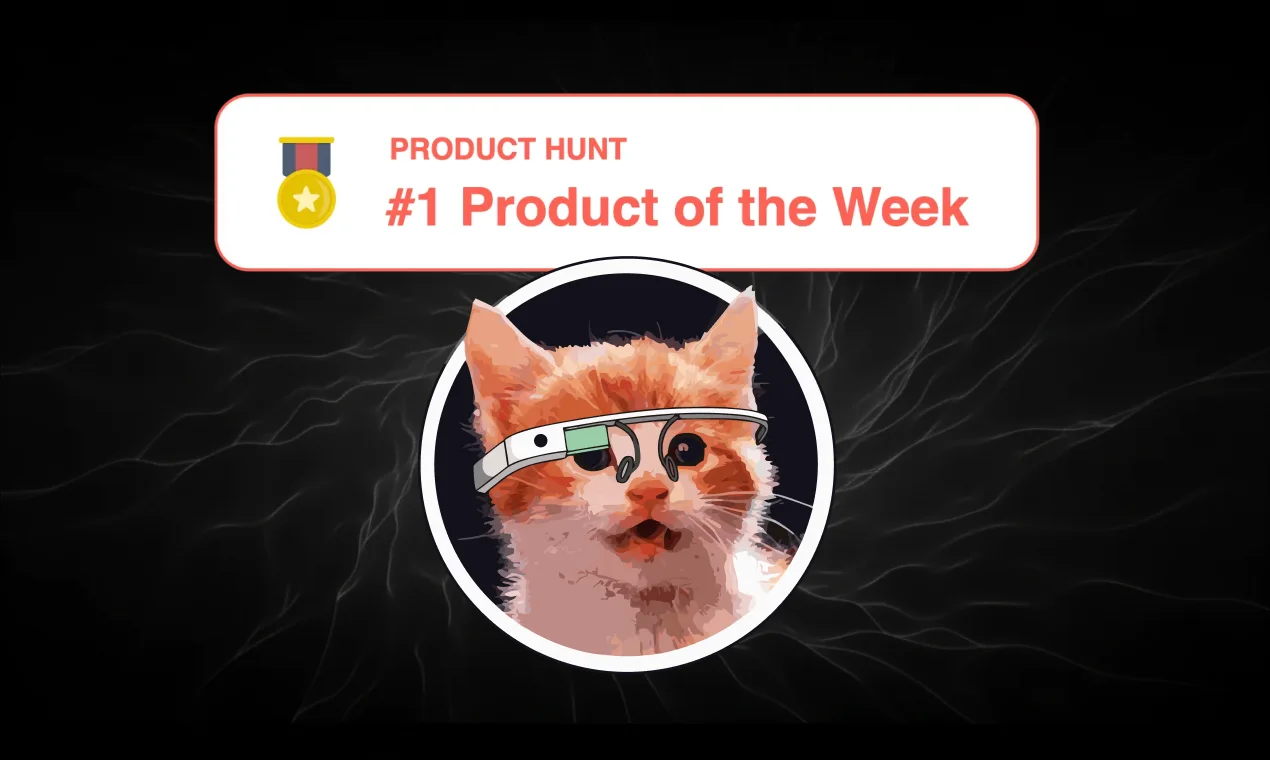
In early October 2025, just a few weeks into joining Snapdeck as an intern, I got to be in the room when the team hit #1 Product of the Week on Product Hunt.
The way I'd describe the team's reaction: quietly stunned. Grateful and excited, but it didn't land as "we made it." Another sentence always follows right behind: "Now we really have to deliver."
Product Hunt isn't a stage where you just receive applause. People click through, try it, interrogate it, compare it. So hitting #1 felt less like a trophy and more like a louder commitment: "You're now being tested in front of a much bigger crowd, every day." Within two weeks of launch, over 8,000 users signed up. Inside the team, the mood felt more like responsibility than bragging rights.
I wasn't around for the March-to-May journey that got them here, but I heard it in pieces — and working on top of what that journey built, I wanted to write it down.
March: Build a lot, fail a lot… and get stubbornly specific about why
From what I heard, March started with a clear set of rejections:
- Not pretty decks. Decks you can actually submit or present.
- Not generation. Editing.
- Not demos. Repeated use.
The turning point was Gamma. Fast, polished output, "AI did this" feeling — and yet the real problem was still there. The struggle was never making a first draft. It was turning that draft into your presentation.
Slides always die at the finish line. Adjusting the tone of a sentence, moving emphasis around, matching the rhythm of one slide to the whole deck — the real game is won or lost in editing, and no existing tool gave full control over that.
The first attempt was HTML-based. It produced output, but it wasn't editable. Every question from users converged into one:
Looks good… but can I actually change this?
That question set the direction for March. Editing isn't a feature — it's a system. Building an editor means rebuilding the center of the product.
April: Solo conviction and having a team are completely different things
April was about converting individual drive into team velocity. Working alone is fast, but when you wobble alone, the product wobbles with you. What the team needed was a loop: listen → fix → show → listen again.
The questions they locked in as their ongoing model:
- Where do people stop when they meet us?
- Is it a comprehension problem, a flow problem, or an editing problem?
- When does someone shift to "I'll keep using this"?
The test for any change: "Did this shorten the path to done? Or did it just add polish?" Hearing that standard still used in everyday decisions, I can feel April's fingerprints all over how this team operates.
May: Editors are hard. So they validated 'editing' by borrowing one.
The move in May was Figma. Instead of forcing a finished editor, the team borrowed Figma's to test whether the editing thesis actually held. The goals were clear: do people turn a generated draft into their own presentation? Where do they get stuck? When does "I'll keep using this" happen?
Then something unexpected came out of it. Users loved the borrowed editing experience far more than expected. Because editing was easy, even a decent first draft was enough for people to think "I can actually use this for work." The question from March — "Can I change this?" — shifted in May to "Yeah, this is changeable enough."
And after that, it was almost dominoes.
The product went viral on Reddit. Over 3,000 users joined through the Figma community. Real paying users appeared. Payment isn't a compliment — it's action. It's "I'm betting my time on this."
- March: Found that editing is the core problem.
- April: Built the team and loop to keep testing it.
- May: Validated the thesis with borrowed tools — and saw viral growth, community traction, and payment signals.
Hearing this after joining the team made things click. The reason "more features" keeps losing to "less friction on the path to done" isn't arbitrary — it's the direct lesson from this arc.
Product Hunt: not a launch pad, but a place to build trust
Watching how the team handles Product Hunt was one of the most useful things about joining early. It wasn't "big launch day" energy — it was an ongoing relationship, breathing alongside the community from the building phase onward.
Every comment got flipped: "Why did this question come up? Is the copy unclear, is the flow blocked, or is the feature missing?" Comments aren't feedback — they're bottleneck signals. Collect them, put them back into the product, come back and share what changed. Repeat that, and what builds isn't upvotes — it's trust.
I only understood this retroactively. But seeing it in practice, I think this is the real story behind the #1 result.
And now
Over 8,000 users signed up within two weeks of launch. The energy inside the team wasn't celebration so much as alertness — more users means shortcomings surface faster, small friction spreads wider, sharp feedback arrives sooner.
But the team doesn't shrink from it. That's what I noticed.
- Not flashy decks, but decks you can actually submit and present
- Not the novelty of generation, but the experience of making it yours through editing
- Not a one-time tool, but a workflow that gets you to done
That direction hasn't moved. Watching from the inside, the consistency of it is the most reassuring thing about being here.